Product Life Cycle

“The Three Phases of Consumer Products” – Arjun Sethi  Car-Phone

I read a great article today on a topic that has started to become my central passion: how to build amazing products. This is going to be the first of many posts on product design, development, and growth. For the complete list make sure to search for the product tag in my archive.

Sethi defines the growth of a product in three life phases. The user first has a want that the product is designed to meet. As a user gets more comfortable and  experienced with the product, they begin to need to use it. Finally, the need slowly turns into a utility as more functionality is built into the product. Think about how mobile phones have developed from a car phone to a cell phone to a smart phone. At first we wanted to be able to make calls on the go, the highest value customer segment of which was business people. The want was there and was eventually met with the car phone. But the want became a need as we required more and more connectivity. Slowly as the connectivity network developed in tandem with the internet, the need for a mobile phone was transformed into a utility as a smart phone.

One important life skill that I have made a point of having is to identify exceptional people to emulate. The most prominent figures in entrepreneurship and technology are those who focus almost exclusively on building great products. In the article, a video is linked to of a young Mark Zuckerberg who’s sole goal is to create the perfect social product of Facebook. Sethi attributes this burning desire for exceptional product to the success of Facebook as a platform. I looked deeper and found more interviews with entrepreneurs from their early days here. I’ve only gotten through some of the content but make sure to check it out.
Building Data Products

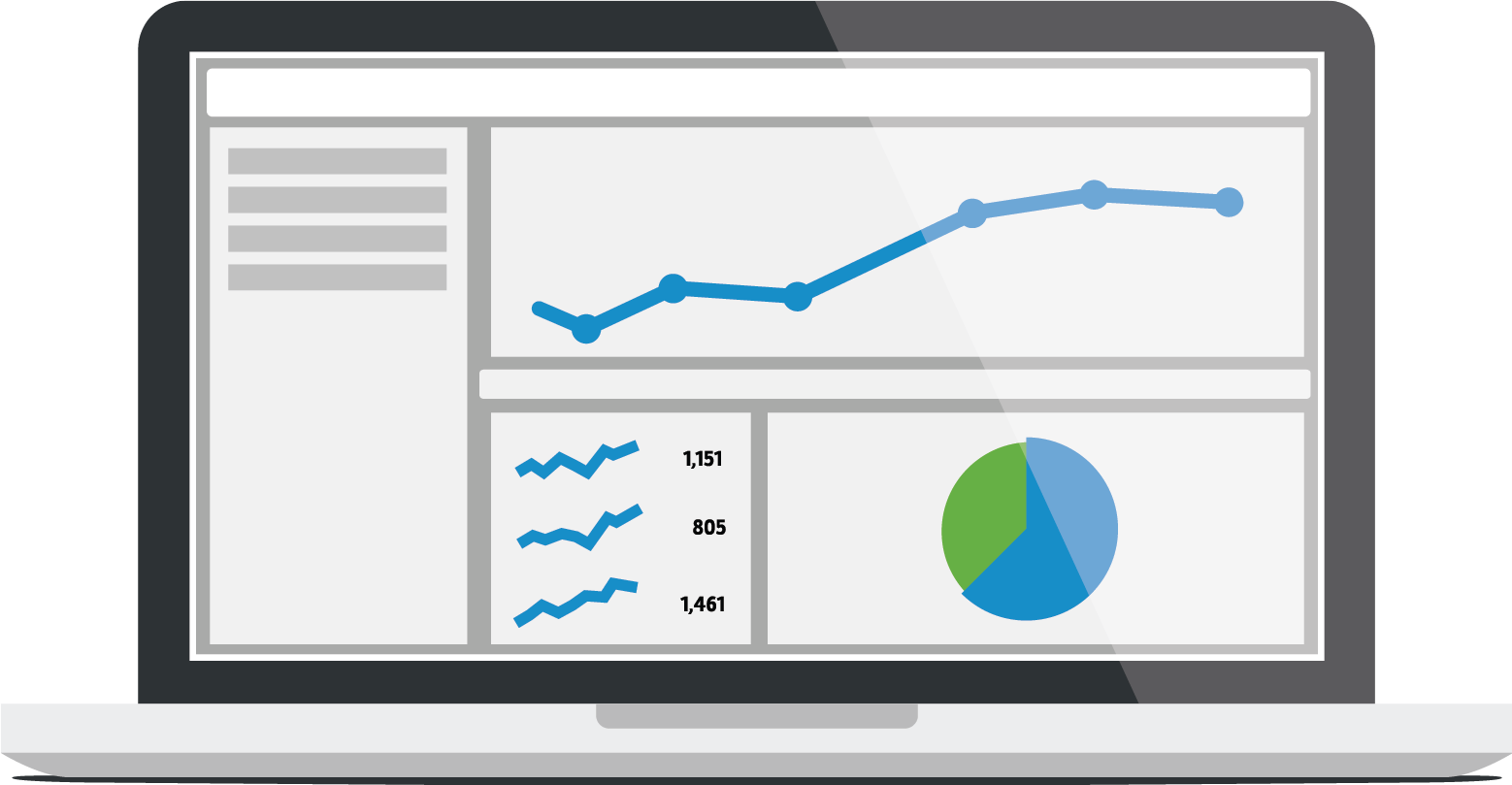
Three Simple Rules for laptop-analyticsBuilding Data Products that People Will Actually Use – Tim Trefren (highscalability.com)

Expanding beyond Tim’s great article, with a little of my own life experience: one of the main functions of my job is to communicate stories through data. Learning this new form of communication has been a challenge as I am naturally inclined to want to delve into the complicated data. Having to work with many professionals who would rather eat dirt than do math has shown me that you have to build the story using simple graphics and meaningful numbers. The key here is to keep things simple which much harder than it looks. As Mark Twain says “I didn’t have time to write a short letter, so I wrote a long one instead.” To have truly revolutionary products, the data has to be presented simply.

Many companies now have begun to offer data analysis as their flagship product or main feature. Applications such as Salesforce and Tableau aggregate data and produce output that is both sophisticated in structure and simple to understand. These are used by people who couldn’t tell you what a query or a database was. Keep it simple, make it pretty.

Aspire to be High-Functioning: Habits

Recommended listening:habits

Harvard Business Review “Set Habits You’ll Actually Keep”

Freakonomics “When Willpower Isn’t Enough”

Experts and rock stars in every field have figured out the key to being able to function at a higher level than most people dream of.  As with anything, I believe that this is skill that can be learned and trained to a desired level of mastery.

After listening to both of these podcasts, I was inspired to rethink a lot of the common things I do day to day. By making common tasks into habits, a person can free up their mind to take on more important, complex tasks. The resulting reduction in stress significantly boosts creativity and allows for a more high-functioning lifestyle. Many of my personal mentors and heroes have been able to achieve their successes through streamlining common tasks and productive behavior into instinctive habits.

As a result, one of my biggest recent goals has become to figure out the most important habits to make or break. After consciously observing my daily habits, I realized that I’ve neglected many easy yet effective tasks because I didn’t understood why they would be the best use of my time. These neglected tasks included basic things such as cleaning dishes immediately after use to more important things such as being mindful of where my free time goes. One common trap is doing what feels easiest one day and then creating a pattern based on that. For me, that has been things such as browsing reddit, watching twitch.tv, or playing video games. I’ve decided to slowly create new habits that will allow me to get the most from my day. Hopefully, according to these podcasts, common tasks I do become habits so that I can unlock time that I never knew existed while living a better, healthier, more high-functioning life.

A post a day

My current favorite past time is listening to podcasts. A majority of my thoughts are influenced by hearing the opinions and knowledge of famous and successful people. As a result, I will reference and reiterate many of the opinions I hear frequently in this blog. I recently heard Fred Wilson on This Week in Startups (Twist) where he mentioned that he makes a post every day at his blog avc.com. His commitment has become a habit, making it easier for him to achieve while bettering his life. I am going to strive to post something every day so that I can take 10 minutes from my life and talk about something that I listened to or something that is on my mind. So, for now, this is the first post in a lifetime of internal dialogue.

(Also, I will be doing a paint image with each post, enjoy)plus1